A City in Ruins, and Rebuilding
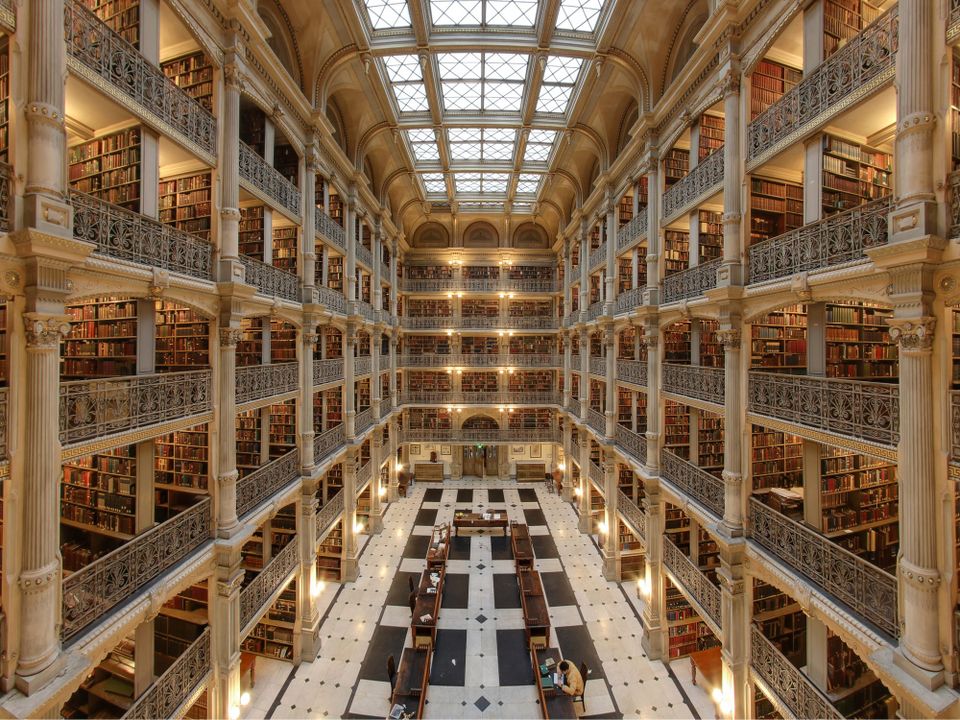
Moving east from St. Louis along Route 70 today, your road would eventually terminate on the western edge of Baltimore City. Route 70 didn't exist in late 1904, but the cities were similar in size and relative stature in the U.S. They weren't nearly as large in population as New York, Boston, or Chicago (nor are they today), but each had a firm place in the national consciousness.
Unlike 1904 in St. Louis, Baltimore's year started out with a disaster that reconfigured the city forever. On February 7, a fire broke out several blocks northwest of what is now called Baltimore's Inner Harbor. From there, it spread mostly eastward, then south along the water. The Jones Falls, a stream that flows from north of the city into the Harbor, stopped its eastern spread. It became known as the Great Baltimore Fire and consumed 1,500 buildings; 35,000 people were left unemployed, and at least one civilian was killed. Five additional deaths were indirectly attributed to the fire.
Unlike in St. Louis, the end of 1904 brought a welcome respite, and the city was eager to turn the page.
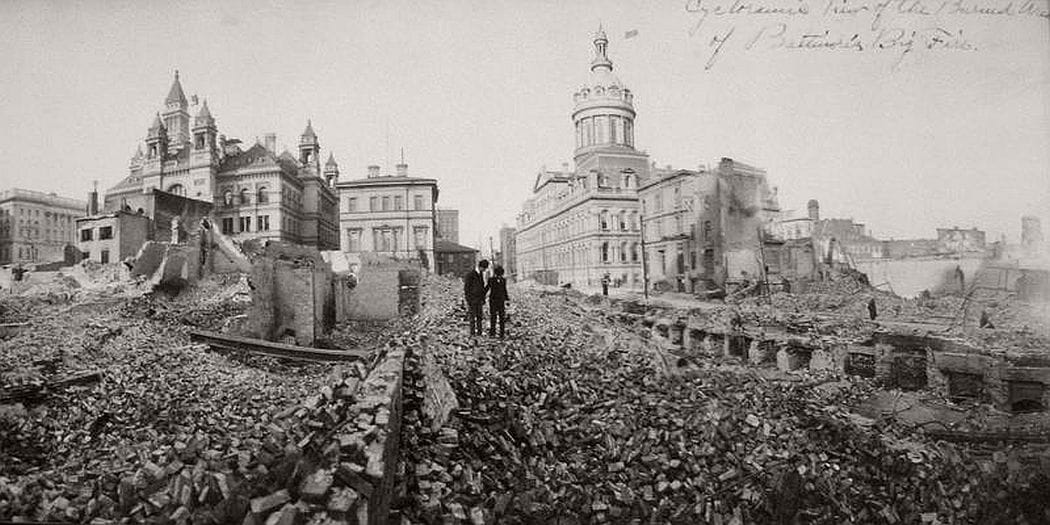
By 1906, much of Baltimore's decimated center had been rebuilt. In September, the city held a week-long jubilee celebrating its recovery.
The Baltimore American newspaper proudly proclaimed on September 10, 1906: “The conflagration destroyed all but hope and courage, and the two combined have raised from the ashes a new and greater city…Even the casual visitor [will be] compelled to admit that the Monumental City contains all that is possessed by any other city in the country.”
Member discussion